A wedding is a beautiful, joyful celebration, but behind the scenes of every big day, there’s one detail that may not be so pretty: the environmental impact. Being kind to our planet and living an eco-conscious life are values that should be embraced every day, most especially on a wedding day, which can come with a ton of waste and a huge carbon footprint. This is something Holly Perrier, principle at Perrier Planning Inc., saw happening firsthand when she started her eco-conscious wedding company in 2019. She made it her mission to help couples create a beautiful, sustainable wedding that is still a stylish celebration.
“In today’s politically charged climate, values are increasingly influencing personal decisions, including wedding planning,” Perrier says. “Many couples are now prioritizing sustainability in weddings, incorporating eco-conscious choices to reflect their concerns about the climate crisis. Traditional wedding norms are being reimagined with thoughtful planning that emphasizes sustainability, from locally sourced flowers to zero-waste catering. As awareness of the climate crisis grows, more couples are making intentional decisions to celebrate love while minimizing their environmental impact.”
Perrier shares that when it comes to weddings, there are a few main environmental offenders.
The first is toxic materials like petroleum-derived paraffin wax candles, which emit harmful compounds like toluene and benzene and contribute to indoor air pollution and carbon emissions.
Another item high on the toxicity list is floral foam, a non-biodegradable, single-use plastic that breaks down into microplastics and contributes significantly to long-term pollution.
And then there’s food waste: uneaten meals end up in landfills, producing an excess of methane gas.
Weddings can also come with an excessive use of plastics. “To protect them, many rental décor items arrive wrapped in single-use plastics,” Perrier reports. “Florals often arrive wrapped in cellophane, which further contributes to the environmental footprint of floral design,” Perrier notes. “Another consideration with florals is that sourcing them from overseas involves extensive air freight, refrigeration and transportation, all of which generate significant carbon emissions. These practices also contribute to deforestation and resource depletion in producing countries.”
Perrier says making your day a sustainable wedding is easy to do; putting a little extra effort into thoughtful and responsible planning can make a significant eco-impact.
Be intentional with your guest list
Less people mean less stuff, and a significantly reduced carbon footprint. Intimate weddings continue to trend, with couples loving them not just for the coziness of the gathering but also because they are more sustainable. Perrier says though trimming your guest list can be challenging, she has a suggestion she shares with clients to help determine who should be there on your day. “My rule I always ask my couples to think about is if you could FaceTime that person right now, and it wouldn’t feel awkward, they’re probably someone you should invite to your wedding.”
Choose natural materials
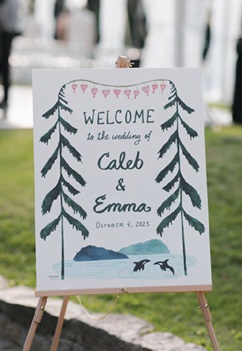
Dress your table in luxe layers of linen fabrics. Select sustainable wedding stationery detailed with natural ink dyes. Style-wise, go for wedding looks made from fabrics with a lower environmental footprint like ethically sourced organic cotton, silk, hemp, linen and Tencel. You may also want to consider creating bespoke looks with a small-business designer, which guarantees less waste and more customization.
Pick seasonal blooms
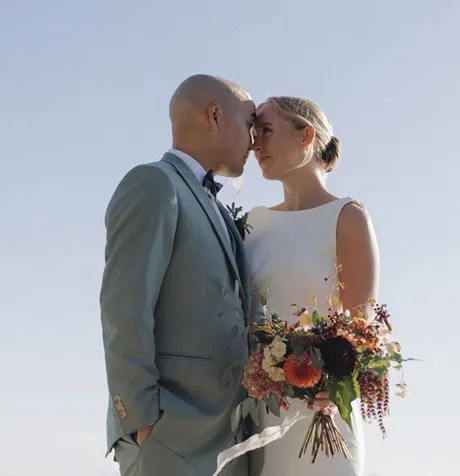
In Perrier’s opinion, locally sourced and picked florals in their natural season are the only way to go. She suggests looking for flower farms near your wedding venue to give your day a highly personalized, hyper-local vibe. Also, work with your floral designer to create multi-purpose arrangements and installations that can be moved and re-imagined from ceremony to reception.
Burn beeswax candles
There’s nothing like candlelight to set the stage for a romantic celebration, and Perrier says choosing tapered beeswax candles is not only a smart aesthetic choice but also an environmentally conscious one. “Beeswax candles burn cleaner and even act as an air purifier.” They also have a longer burn time than paraffin candles, which means they will maintain the magical ambience of your sustainable wedding into the wee hours
Lesley TurnerEditorial Content Writer
Lesley is a freelance writer and content strategist with a serious love for all things wedding. With a background in bridal fashion and over a decade of industry experience, she creates stylish, scroll-stopping content for Today's Bride and beyond.








Leave a Reply